
Case Study: Transforming Construction Projects with Drone Surveying
Introduction to Drone Surveying in Construction
In recent years, the construction industry has witnessed a significant shift in how projects are surveyed and managed. One of the most transformative technologies contributing to this change is drone surveying. By providing aerial views and capturing detailed data, drones are revolutionizing the way construction projects are executed.
Benefits of Drone Surveying
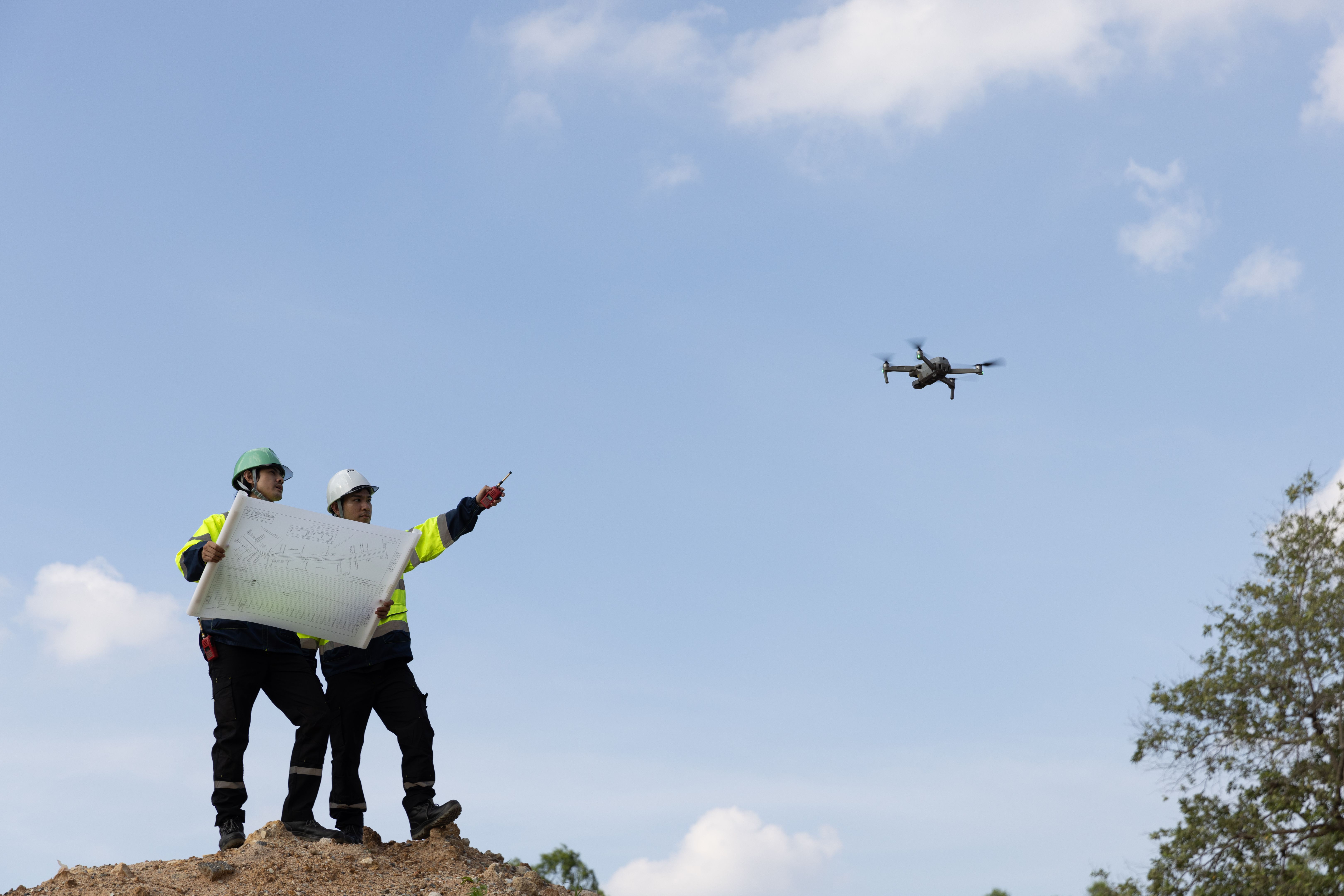
The use of drones in construction projects offers numerous advantages. Firstly, drones can complete surveys much faster than traditional methods. This speed translates into considerable time savings, which can be critical in meeting project deadlines. Furthermore, drones can access hard-to-reach areas, ensuring comprehensive data collection.
Another significant benefit is the **cost-effectiveness** of drone surveying. Traditional surveying methods often require more manpower and equipment, leading to higher costs. In contrast, drones can perform the same tasks with fewer resources, reducing overall expenses.
Accuracy and Precision
Drones equipped with advanced imaging technology provide highly accurate and precise data. This precision minimizes errors that could lead to costly rework later in the project. By utilizing drones, construction companies are better equipped to make informed decisions based on reliable data.

Case Study: A Real-World Application
To illustrate the impact of drone surveying, consider a recent case study involving a large infrastructure project. The project faced challenges in surveying a vast and complex area. Traditional methods proved time-consuming and insufficient for the project's needs.
By implementing drone technology, the project team was able to survey the entire site within a few days. The drones provided high-resolution images and 3D models, allowing the team to assess the terrain and plan construction activities with greater accuracy.
Improved Safety Measures
Drone surveying also enhances safety on construction sites. By reducing the need for human surveyors to access dangerous areas, drones help mitigate risks associated with traditional surveying methods. This shift not only protects workers but also aligns with industry safety standards.
Challenges and Considerations
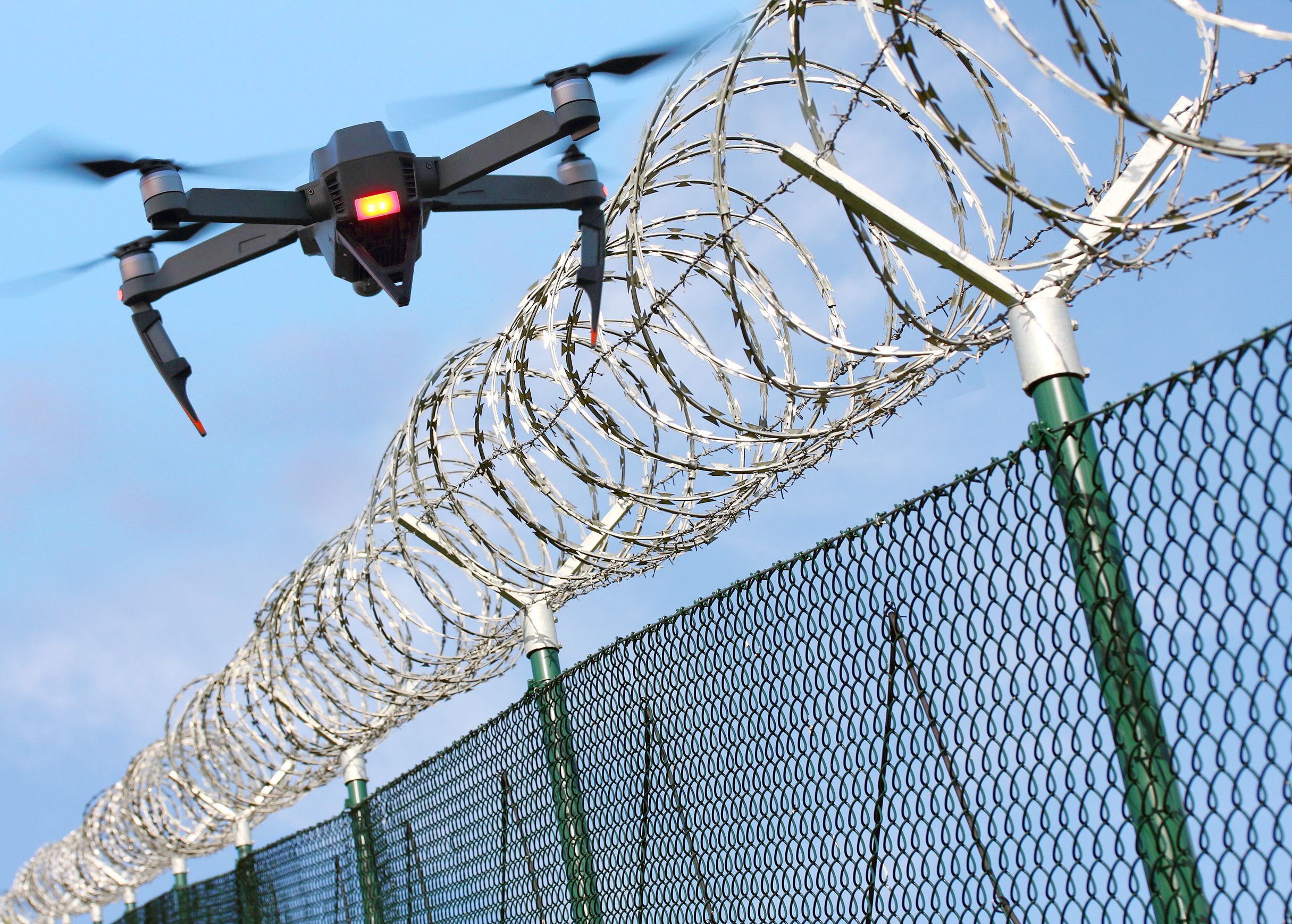
Despite the numerous benefits, there are challenges associated with drone surveying. Regulatory compliance is a key consideration, as drone operations are subject to specific laws and guidelines. Construction companies must ensure they adhere to these regulations to avoid legal issues.
Additionally, integrating drone technology requires investment in equipment and training. Companies must weigh these costs against the potential benefits to determine if drone surveying is the right fit for their projects.
Future of Drone Surveying in Construction
The future of drone surveying in construction looks promising. As technology continues to advance, drones are expected to become even more integral to construction projects. Innovations such as improved imaging technology and AI-driven data analysis will further enhance the value of drone surveying.
In conclusion, drone surveying is transforming construction projects by providing faster, more accurate, and cost-effective solutions. As the industry continues to evolve, embracing this technology could be a key factor in staying competitive and successful.