
The Future of Farming: How Agricultural Drone Mapping is Revolutionizing Saudi Agriculture
The Rise of Agricultural Drone Mapping
The agricultural landscape in Saudi Arabia is undergoing a remarkable transformation, largely driven by the integration of cutting-edge technology. One such innovation making waves is agricultural drone mapping. Drones are not just flying gadgets; they are sophisticated tools that offer a bird's-eye view of farming landscapes, providing critical data that can enhance productivity and sustainability.
Understanding the Role of Drones in Agriculture
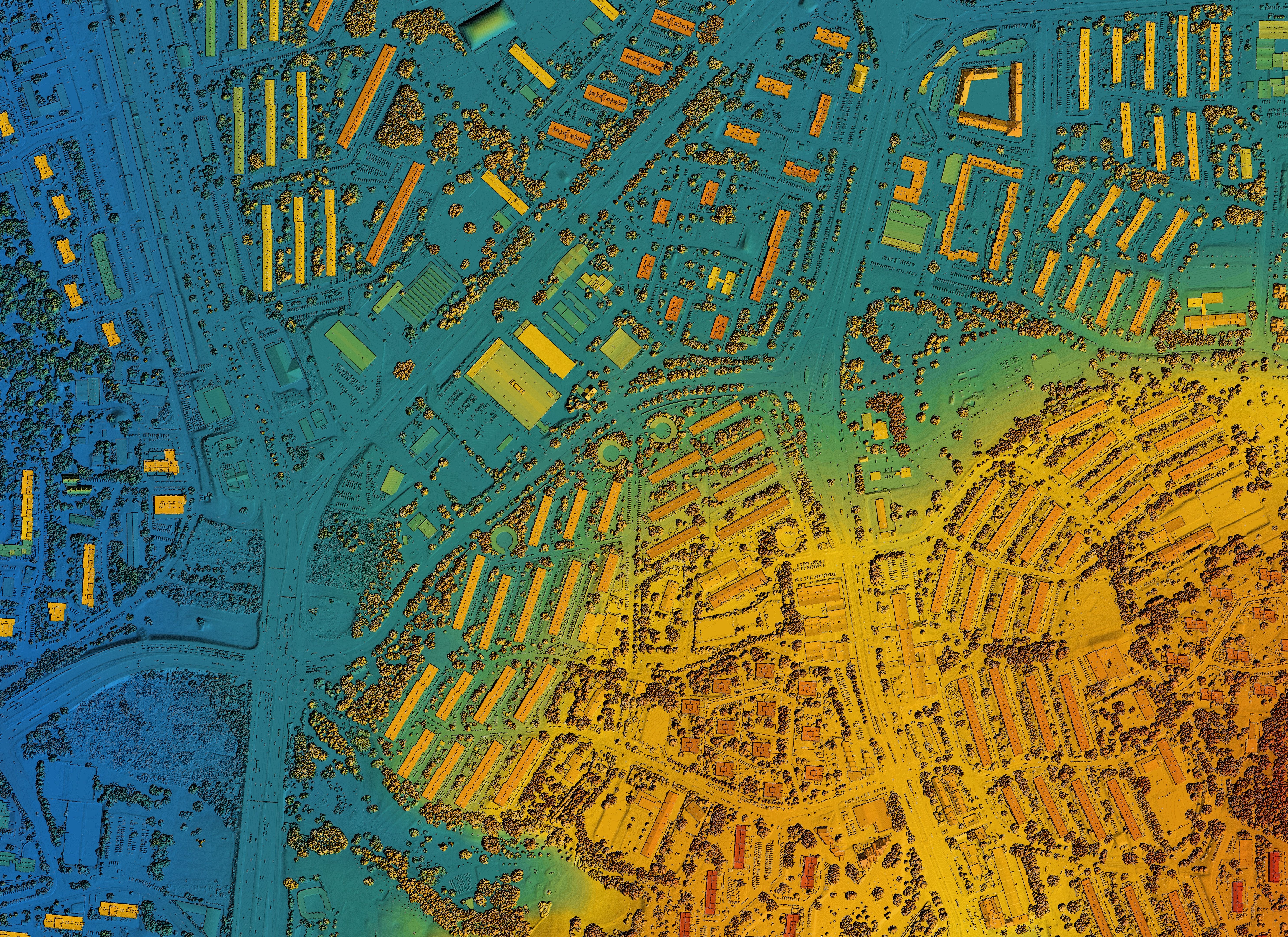
Drones equipped with multispectral cameras and sensors can capture detailed images and data from above. This information is used to create precise maps showing soil variation, crop health, and water distribution. These insights enable farmers to make informed decisions, optimizing resources and maximizing yields.
Benefits of Drone Mapping in Farming
The advantages of using drones in agriculture are manifold:
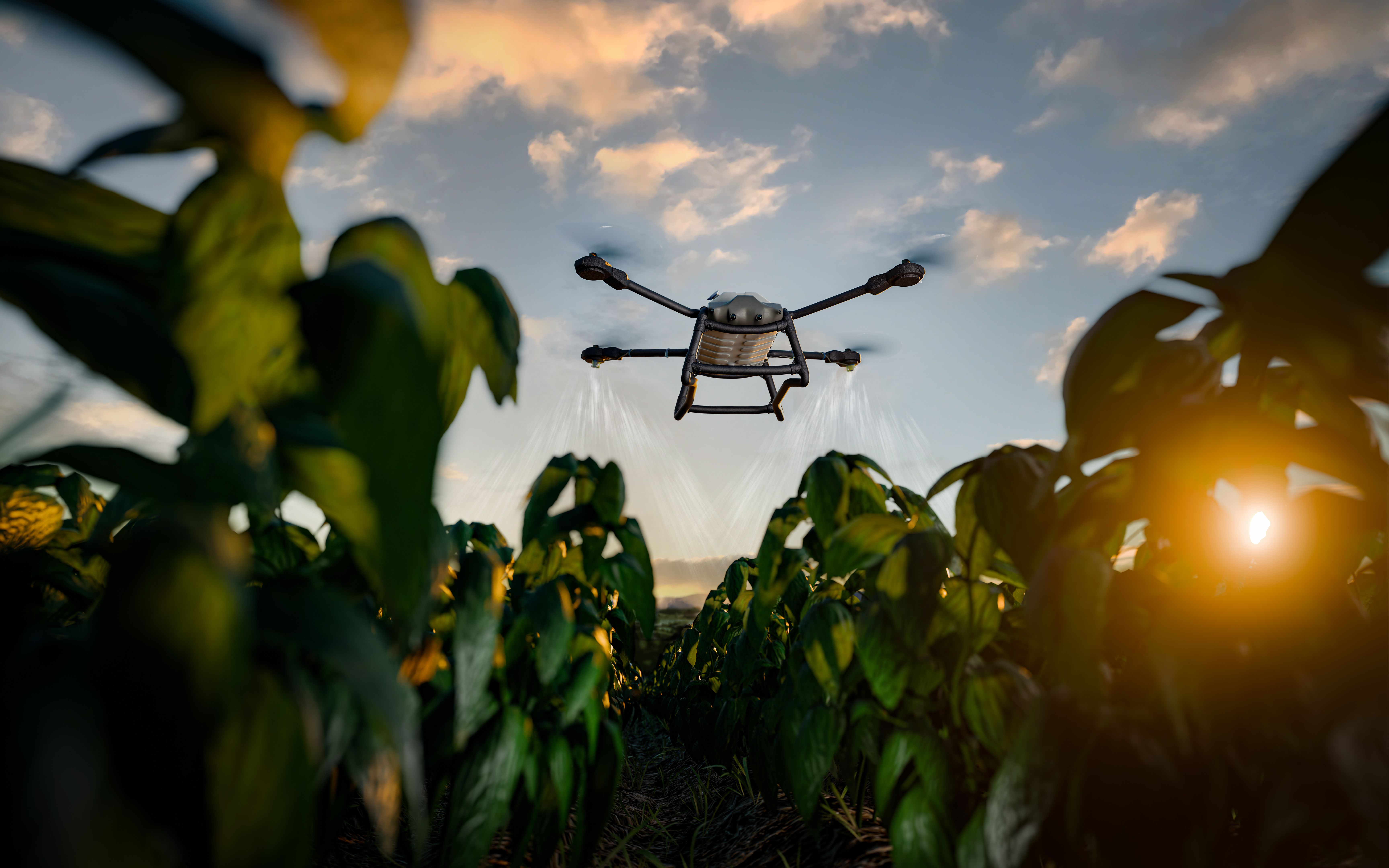
- Enhanced Precision: Drones provide detailed insights at a granular level, allowing for precise application of fertilizers and pesticides.
- Cost Efficiency: By reducing waste and optimizing resource usage, drones help cut unnecessary expenses.
- Time-Saving: Drones can cover large areas quickly, providing rapid feedback that allows for timely interventions.
Impact on Saudi Agriculture
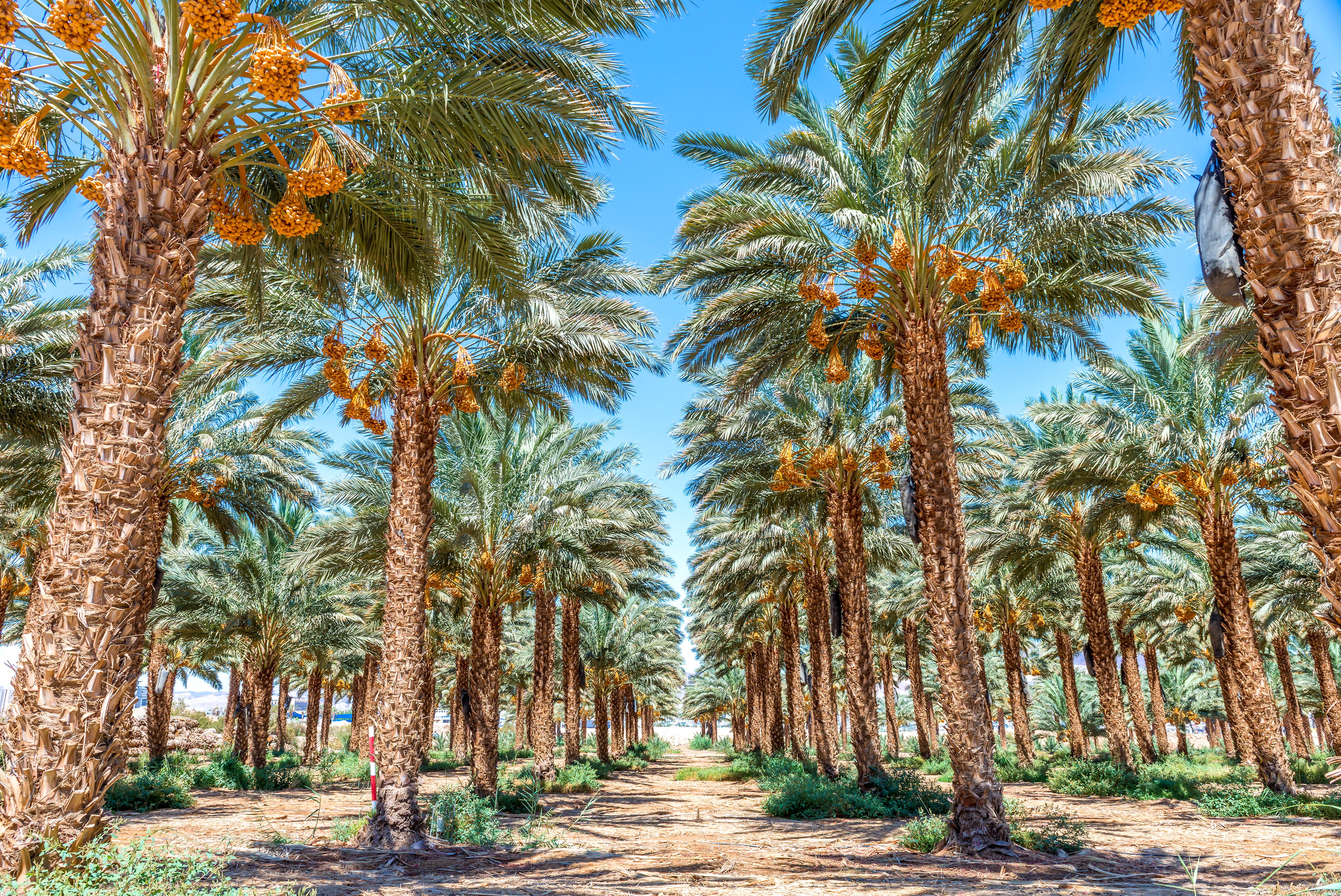
Saudi Arabia, with its challenging climate and vast desert landscapes, stands to benefit immensely from drone technology. Traditional farming methods are increasingly giving way to innovative practices that promise to enhance food security and sustainability.
Adapting to Environmental Challenges
Drone mapping helps farmers adapt to the unique environmental challenges of Saudi Arabia. By providing critical insights into soil moisture levels and crop health, drones enable farmers to better manage water resources, crucial in a region where water scarcity is a significant concern.
The Future of Farming in Saudi Arabia
As technology continues to evolve, the role of drones in farming is expected to expand. The future holds the potential for even more sophisticated drone models equipped with advanced AI and machine learning capabilities. These innovations will further revolutionize agricultural practices, making them more efficient and environmentally friendly.
Integrating with Other Technologies
The synergy between drones and other technologies, such as IoT devices and satellite imagery, will provide comprehensive solutions for smart farming. This integration will not only enhance the productivity of Saudi farms but also contribute to global agricultural advancements.
Conclusion
The advent of agricultural drone mapping is a game-changer for Saudi agriculture. By embracing this technology, Saudi farmers are not only optimizing their current practices but also paving the way for a sustainable and prosperous future. As the nation continues to invest in innovation, the potential for growth and development in agriculture remains boundless.